
Treatment of Substance Use Disorders Overdose Prevention
Sober living house is in a way a transitional house designed to support people in recovery come and live together. People move to sober living houses after completing their treatment drug addiction at a residential rehab. Under this program, residents can get back to their normal life such as work life, family, etc. without losing the support of professionals. Yes, drug rehab is confidential, as federal laws like HIPAA (Health Insurance Portability and Accountability Act) protect patient privacy. Rehab centers are required to keep medical records, treatment details, and personal information secure, ensuring that only authorized individuals access them.
When to Go to Rehab for Alcohol and Recognizing the Signs
- While each treatment center is different, many facilities offer socialization time in shared spaces, such as movie nights with snacks and boardgames, and plenty of opportunities for quiet time.
- Main inpatient rehab programsinclude medical detox, dual diagnosis treatment, behavioral therapies, and relapse prevention strategies.
- When looking for a drug rehab, it is important to assess the facility’s programs, quality, cost, and overall environment to ensure it meets individual recovery needs.
- A 12 Step Program is a structured approach to recovery that provides a framework for overcoming addiction through personal responsibility, peer support, and spiritual growth.
- Though you or a loved one may have a general idea of what rehab is, you may be unaware of the specifics of addiction healthcare, such as its various levels of care and marks of quality services.
Being in rehab means actively engaging in a recovery process that goes beyond stopping substance use. Effective treatment should match your unique needs1 and often combines behavioral therapy with medication, especially for opioid or how long is drug rehab alcohol use disorders. While medications can support detox and long-term recovery, detox alone is not enough. For substances like cannabis or stimulants, behavioral therapies are the primary approach.
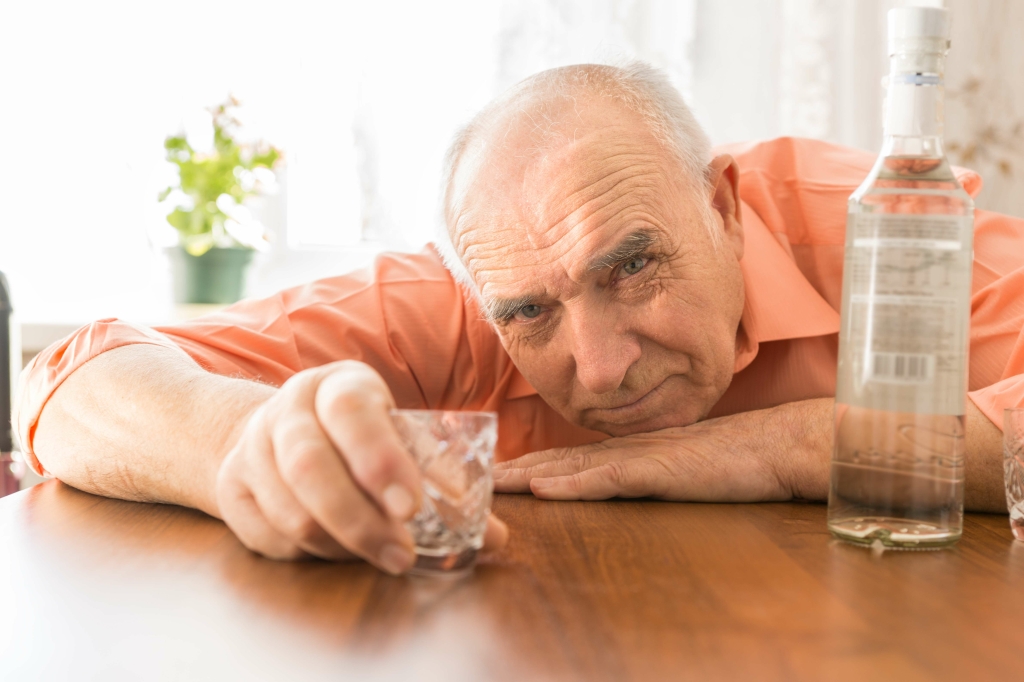
Defining Drug Rehabilitation

After drug detox, patients transition into therapy-based rehab programs for long-term recovery. Intensive outpatient programs (IOP) are structured treatment plans that require https://dev-kikiweb.pantheonsite.io/2023/04/05/being-drunk-vs-being-high-key-differences-2/ patients to attend therapy sessions several times a week while continuing their daily activities. These programs focus on relapse prevention, coping strategies, and behavioral therapy. IOPs are recommended for individuals transitioning from inpatient care or those with moderate substance use disorders. Inpatient rehab centers provide intensive, structured treatment where patients stay in a medical facility under 24/7 supervision. This type of rehab is ideal for individuals with severe addiction, requiring constant medical and psychological support.
- Conifer Park’s Inpatient Rehabilitation offers a structured, supportive environment to help individuals overcome addiction through therapy, medical care, life skills training, and community support.
- Common approaches include Cognitive Behavioral Therapy (CBT), Dialectical Behavior Therapy (DBT), and medication-assisted treatment (MAT).
- The medications used in drug rehab include methadone, buprenorphine, naltrexone, disulfiram, and acamprosate, which help manage withdrawal symptoms and reduce cravings.
- Treatment approaches integrate dual diagnosis treatment, addressing both issues concurrently to improve overall outcomes.
- ” In the U.S., there are 4,054 dual diagnosis treatment centers that address co-occurring mental health and substance use disorders with treatment options like therapy, medication, and rehab.
The Drug Rehabilitation Process

We believe everyone deserves access to accurate, unbiased information about mental health and recovery. That’s why we have a comprehensive set of treatment providers and don’t charge for inclusion. We do not and have never accepted drug addiction treatment fees for referring someone to a particular center. Providers who advertise with us must be verified by our Research Team and we clearly mark their status as advertisers. The cost of treatment can feel overwhelming, but there are many ways to make it more affordable. These include private insurance, state-funded programs, sliding scale fees, and grants or scholarships from treatment centers.
